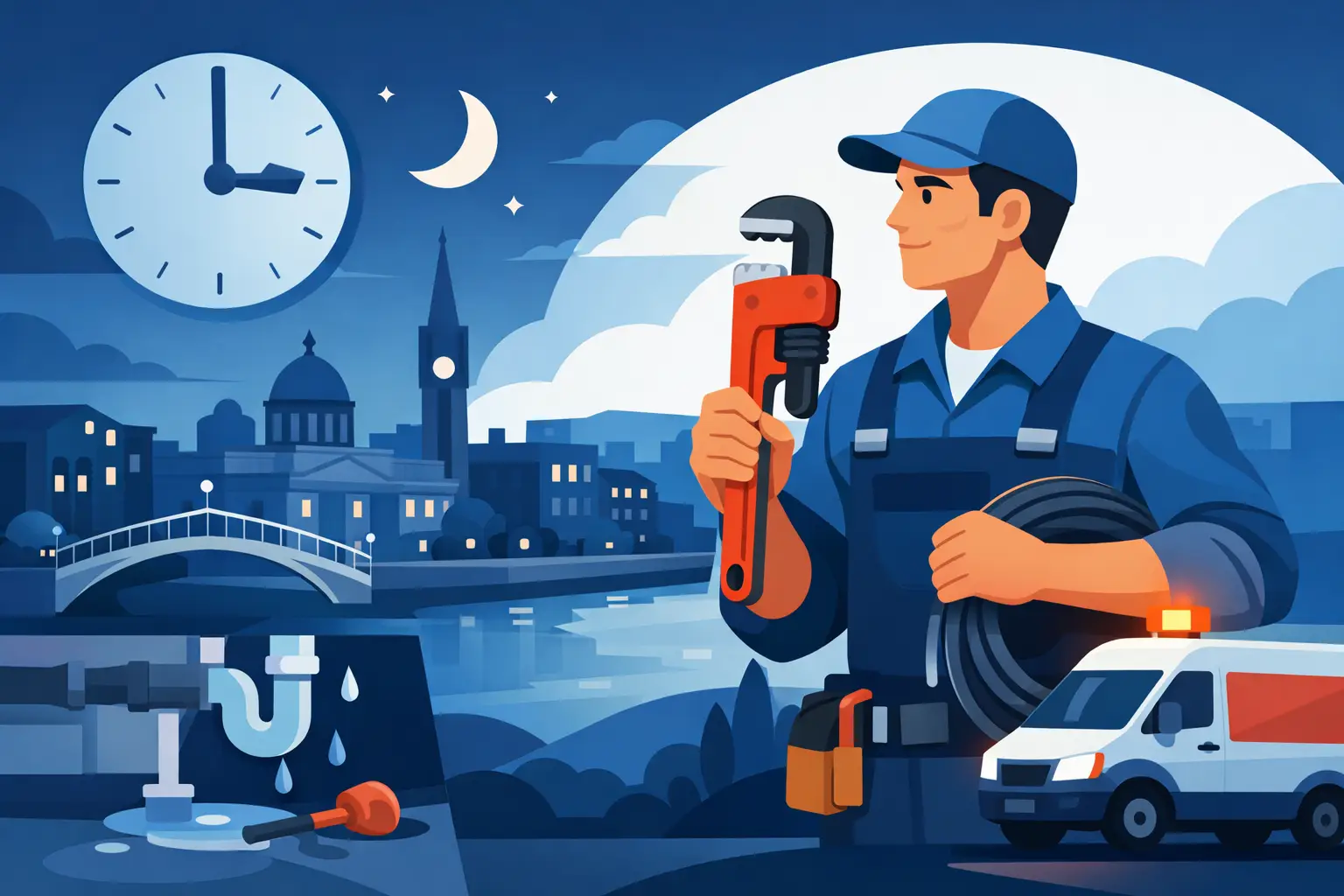
A burst pipe at night, a toilet that will not stop overflowing, or no hot water before a busy morning can turn a normal day at home into a stressful one very quickly. A 24 hour emergency plumber Dublin homeowners can contact gives you practical help when waiting until normal working hours could mean more water damage, inconvenience or risk.
The first priority is always to make the property safe and limit the damage. The second is finding the cause and repairing it properly, rather than relying on a temporary fix that leaves you facing the same problem again. That is where an experienced local plumber makes a real difference.
When to Call a 24 Hour Emergency Plumber in Dublin
Not every plumbing fault needs an overnight call-out. A dripping tap, a radiator that is slightly cooler than usual, or a minor leak that can be contained may be suitable for a standard appointment. An emergency is a problem that is actively damaging the property, affecting essential water use, or creating a safety concern.
Call for urgent plumbing assistance when a pipe has burst, a leak cannot be stopped, or water is coming through a ceiling, wall or floor. An overflowing toilet is also urgent, particularly where it is the only toilet in the home. No water supply, a failed hot water system, a serious pump fault, or a leaking hot water cylinder can all require prompt attention depending on the circumstances.
Water close to electrical sockets, consumer units or appliances needs extra care. Do not touch wet electrical equipment or attempt a repair yourself. If it is safe to do so, keep people away from the affected area and explain the situation clearly when you call.
For landlords, letting agents and property managers, a fast response can protect both the property and the tenant. A small unattended leak can damage flooring, ceilings, furniture and neighbouring flats, especially in flats where water can travel quickly between levels.
What to Do Before the Plumber Arrives
A few simple actions can reduce the impact of a plumbing emergency. You do not need specialist knowledge, and you should never put yourself at risk to stop a leak.
If water is escaping quickly, turn off the main stopcock if you can safely reach it. This is commonly located under the kitchen sink, near the water tank, in a utility area, or close to where the water supply enters the property. Turning it clockwise usually shuts off the water supply. If the leak is from a toilet, basin or appliance and there is an isolation valve nearby, you may be able to turn off water to that individual fitting instead.
Then take sensible steps to protect the home:
- Put buckets, towels or containers beneath the leak where it is safe to do so.
- Move furniture, rugs and electrical items away from the affected area.
- Turn off the immersion heater or central heating only if the issue involves the hot water system and it is safe to access the controls.
- Take a few clear photos of the problem for your records, particularly if you rent the property or need to notify an insurer.
Avoid dismantling pipes, removing a boiler cover, or tightening fittings at random. A loose-looking connection may be under pressure, and an incorrect repair can make the leak worse. It is more useful to note where the water is coming from, when the problem started and whether you have already turned off the water.
Common Household Plumbing Emergencies
Burst and Leaking Pipes
Frozen pipes, ageing pipework, failed joints and accidental damage can all lead to a burst pipe. The visible leak may be only part of the problem, as water can travel behind walls or under floors before it becomes noticeable. Shutting off the water quickly is the best immediate step, followed by a professional inspection and repair.
A proper repair should address the failed section and check that surrounding pipework has not been weakened. Simply Plumbing carries out repair and replacement work with the aim of restoring the system reliably, not just stopping the visible drip.
No Hot Water or a Leaking Cylinder
Losing hot water is particularly disruptive in homes with children, older residents or tenants. The cause may be an immersion heater, thermostat, hot water tank, valve or pump issue. It can be tempting to assume the entire system needs replacing, but diagnosis matters. In some cases, a failed part can be repaired or replaced without unnecessary work.
A leaking hot water cylinder needs prompt attention. Even a slow leak can cause significant damage over time, while a larger leak can empty the system into a cupboard, attic space or airing press. Explain whether the water is hot, cold or coming from a pipe, valve or tank, as this helps identify the likely issue.
Toilet, Tap and Waste Problems
A toilet that constantly runs can waste a considerable amount of water, but an overflowing toilet is an immediate problem. Faulty fill valves, flush mechanisms, blockages and damaged connections can all be responsible. If the water level keeps rising, do not keep flushing. Turn off the toilet’s local water supply where possible and arrange help.
Leaking taps and failed valves are often less urgent, unless water cannot be isolated or is damaging cabinets, floors or walls. The same applies to waste pipe faults. A small drip under a sink may wait for a daytime repair, but wastewater backing up or leaking through a ceiling should be treated seriously.
Heating, Radiators and Pump Faults
A cold radiator is not always an emergency, but a heating or circulation problem can become urgent when the property has no heating or hot water, particularly in cold weather. Leaking radiator valves, failed pumps and system pressure problems need accurate diagnosis. Bleeding a radiator may help in some cases, but it will not fix a leak, a damaged valve or a faulty pump.
Why Clear Pricing Matters During an Emergency
When water is pouring through a ceiling, it is easy to agree to work without asking questions. That is understandable, but you should still expect straightforward information about the likely work and cost. Emergency plumbing should not mean unclear charges or unpleasant surprises once the repair is complete.
Ask what the call-out involves, whether parts are likely to be needed and how the plumber will confirm the price before carrying out additional work. The final cost depends on the fault, access, replacement parts and the condition of the existing installation. A straightforward valve repair is very different from replacing damaged pipework behind a wall.
Simply Plumbing provides honest upfront pricing with no hidden charges, so customers understand the work required before it goes ahead. This approach is especially valuable for landlords and agents who need to make informed decisions quickly while keeping tenants updated.
Choosing an Emergency Plumber You Can Trust
Speed matters, but it should not come at the expense of workmanship. Look for a local plumber with established experience in domestic repairs, clear communication and the ability to deal with the full range of household faults. A tradesperson should explain the problem in plain language, outline the repair options and leave the area as tidy as reasonably possible.
It also helps to choose a provider that can support you after the immediate emergency. A temporary isolation may stop the damage, but the underlying cause may require a follow-up repair or replacement. For example, a failing immersion heater, worn radiator valve or ageing pump may work again briefly before failing completely.
With more than 20 years of experience, 24-hour availability every day of the year and a 12-month warranty on work, Simply Plumbing offers homeowners, tenants, landlords and property managers a dependable option across Dublin and County Kildare. The focus is on getting the fault identified and repaired quickly and efficiently, with competitive rates and clear advice throughout.
Preventing the Next Plumbing Emergency
Many emergencies are unpredictable, but routine checks can reduce the chances of a late-night call-out. Find your stopcock before you need it and make sure it can be turned. Check under sinks, around toilets and near tanks for small leaks, staining or corrosion. If a tap is getting harder to turn, a toilet keeps running, or a radiator valve is beginning to seep, arranging a repair early is usually simpler and less disruptive.
During colder spells, keep the home adequately heated and pay attention to exposed pipework in attics, garages and outdoor areas. If you are leaving a property empty, particularly over a winter holiday, consider how the heating and water supply will be managed.
A plumbing emergency is never convenient, but calm action and the right help can keep a serious fault from becoming a much larger problem. If you cannot stop the water, have lost an essential service or are concerned about damage to your home, getting a qualified plumber involved promptly is the sensible next step.